
Unlocking Your Dog’s Secret Language
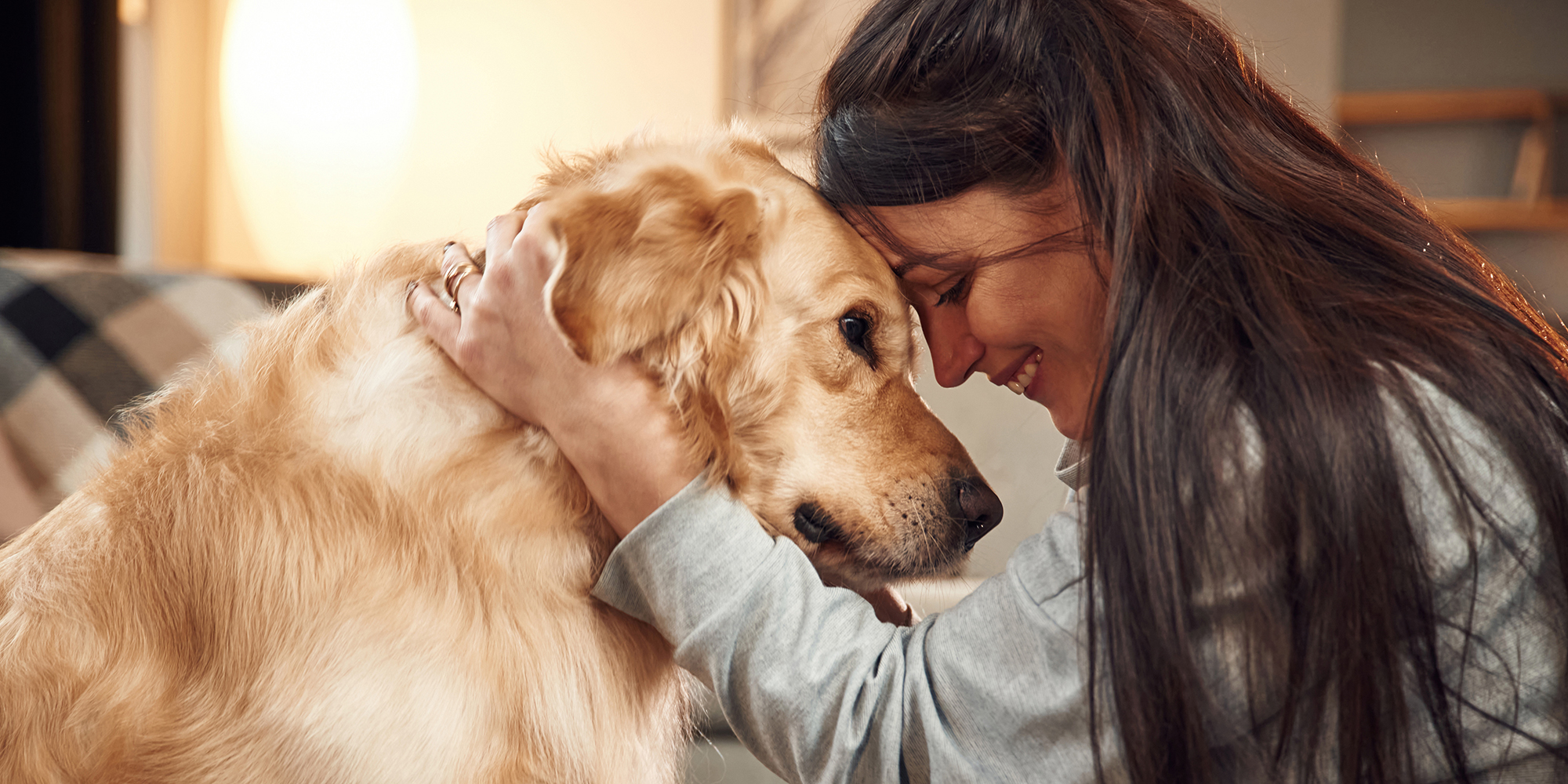
As dog owners, we often wish our furry companions could simply tell us what they’re feeling. While they can’t speak our language, dogs communicate constantly through a sophisticated system of “calming signals” and body language. These are subtle cues they use to de-escalate tension, avoid conflict, and express discomfort or stress. Learning to recognize these signals is a game-changer for understanding your dog’s emotional state, building trust, and preventing potential behavioral issues. At Augusta Dog Training, we believe a deeper understanding of these signals empowers owners to respond more effectively and foster a happier, more secure dog.
What Are Calming Signals?
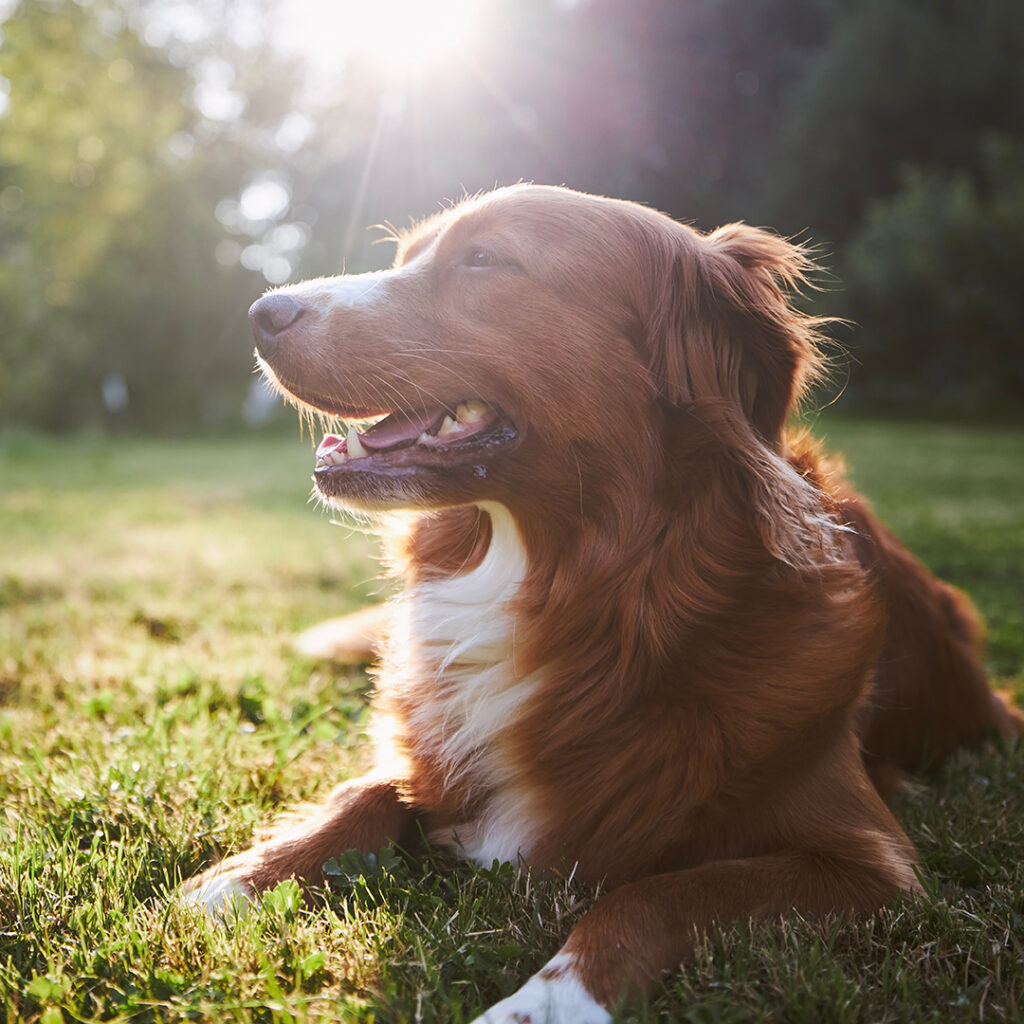
Developed and popularized by Norwegian dog trainer Turid Rugaas, calming signals are innate behaviors dogs use to communicate peaceful intentions. They are often subtle and can be easily missed if you’re not looking for them. Dogs use them to tell other dogs (and us) that they mean no harm, to calm themselves down, or to de-escalate a tense situation. Recognizing these signals allows you to intervene before your dog feels overwhelmed.

Common Calming Signals to Watch For
Some of the most frequently observed calming signals include:
-
Lip Licking: A quick flick of the tongue over the nose, often seen when a dog is slightly anxious or unsure.
-
Yawning: While sometimes a sign of tiredness, yawning out of context (e.g., when being approached by a stranger) often indicates stress.
-
Head Turning/Looking Away: A dog might turn their head slightly or completely look away to signal they are not a threat or to avoid direct confrontation.
-
Soft Eyes/Squinting: Dilated pupils or a hard stare can indicate arousal; soft, slightly squinted eyes are a sign of relaxation or appeasement.
-
Paw Lift: A subtle lift of one front paw can signal uncertainty or a desire to disengage.
-
Slow Movement/Freezing: Moving very slowly or freezing in place can be a dog’s way of trying to calm a situation or avoid confrontation.

Recognizing Signs of Increased Stress
Beyond calming signals, dogs also exhibit more overt signs when their stress levels are rising. These can include:
-
Whale Eye: When the whites of your dog’s eyes are visible, often accompanied by a stiff body.
-
Panting (without exertion): Rapid, shallow breathing when not hot or exercising.
-
Ears Pinned Back/Low Tail: While some breeds naturally have low tails, a tucked tail or ears flattened against the head usually indicates fear or anxiety.
-
Shaking/Trembling: Often a sign of intense fear or anxiety.
-
Growling/Snapping: These are final warnings that a dog is severely stressed and feels they have no other option.
Build a Deeper Bond Through Understanding
Learning your dog’s silent language is one of the most powerful tools you can develop as an owner. By understanding their calming signals and stress cues, you can respond proactively, prevent negative experiences, and strengthen your bond based on mutual respect and understanding. If you’re struggling to interpret your dog’s behavior or need help addressing stress-related issues, Augusta Dog Training offers specialized Behavioral Modification through our In-Home Training programs. Our expert trainers can teach you how to read your dog better and develop effective strategies for a calmer, happier home. Contact us today to learn more!
Recent Comments